
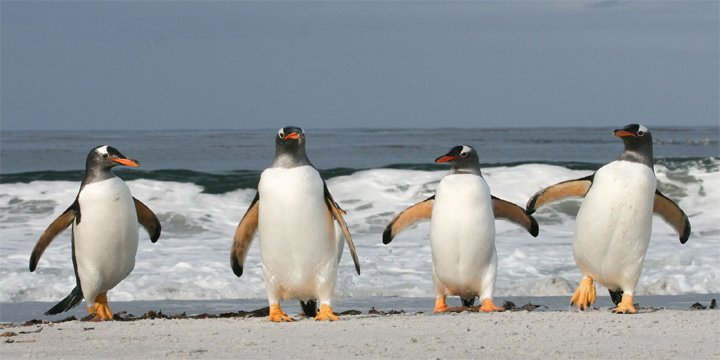
GENTOO PENGUINS AFFECTED WITH BIRD FLU
What Happened?
- Gentoo penguins have become the first birds confirmed to be infected with H5 Avian Influenza (H5N1 Bird Flu) in an Australian territory.
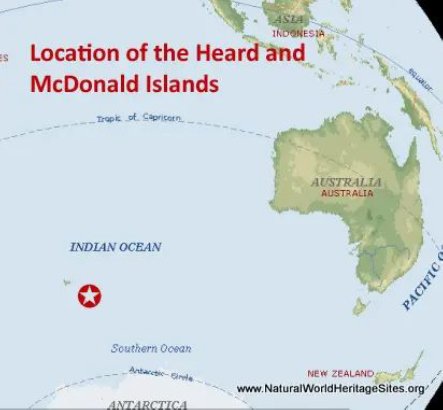
- The infection was detected on Heard Island, a remote sub-Antarctic island controlled by Australia.
ARE THE PENGUINS FIRST EVER SPECIES IN HEARD ISLAND TO GET IMPACTED BY BIRD FLU?
Earlier, the virus had been found in:
- Southern Elephant Seals
- Now also confirmed in:
- Gentoo Penguins
- Antarctic Fur Seals
This is the first recorded bird infection in Australia’s external territories.
ABOUT HEARD ISLAND
- Located more than 4,000 km south-west of Perth
- Around 1,700 km north of Antarctica
- Situated in the Southern Ocean
- Extremely remote and uninhabited
Due to its isolation, it is an ecologically sensitive and important region.
ABOUT THE VIRUS
The virus detected is H5N1 (clade 2.3.4.4b).
This strain is:
- Highly Pathogenic (very severe)
- Highly Contagious
Globally, this strain has infected and killed millions of:
- Seabirds
- Wild Birds
- Poultry
It is considered a major global wildlife health threat.
HOW WAS IT DETECTED?
- Samples collected during a research voyage (February 3, 2026)
- Testing done at the Australian Centre for Disease Preparedness (CSIRO)
- Preliminary laboratory results confirmed H5 infection
This shows the importance of scientific monitoring and surveillance.
IS THERE MASS WILDLIFE DEATH?
Scientists aboard the research vessel RSV Nuyina observed the region. Findings
- No large-scale mass mortality events
- Only a small number of confirmed infections
This suggests the outbreak is currently limited in scale.
GOVERNMENT’S RESPONSE
The Australian government stated:
- Australia’s national bird flu-free status remains unchanged
- Risk to mainland Australia is not significantly increased
However, authorities stressed the need for:
- Vigilance
- Continuous monitoring
- Preparedness
BIOSECURITY & PREPAREDNESS MEASURES
Australia is investing over 100 million Australian dollars to strengthen preparedness.
Key measures:
- Rapid response equipment in all states
- Stronger monitoring systems
- Protection of at-risk native species
- Coordination between government, industry and conservation groups
Monitoring will continue to protect wildlife and biodiversity.
IMPORTANCE OF THIS DEVELOPMENT
Environmental Importance
- Shows H5N1 has reached remote sub-Antarctic ecosystems
- Raises concern for penguin populations and marine mammals
- Highlights vulnerability of fragile polar biodiversity
Biosecurity Importance
- Need for strong wildlife disease surveillance
- Even remote islands are not safe from global disease spread
BROADER CONTEXT
- Bird flu outbreaks have been increasing globally.
- Even Antarctica and nearby islands are now exposed
This case highlights:
- Wildlife diseases as a global environmental challenge
- Role of climate change and migration patterns
- Impact of increasing global ecological connectivity
Note: Connect with Vajirao & Reddy Institute to keep yourself updated with latest UPSC Current Affairs in English.
Note: We upload Current Affairs Except Sunday.