
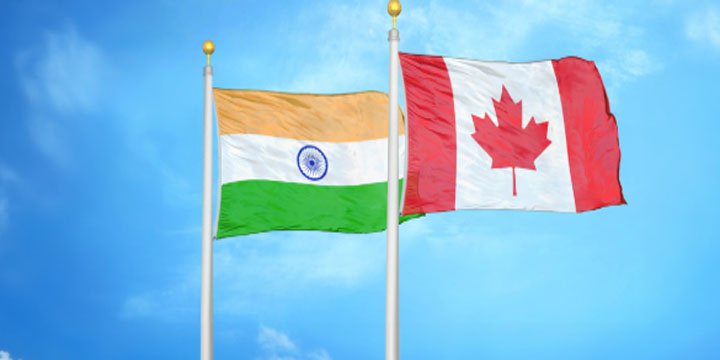
INDIA CANADA RELATION RESET
Why in News?
India and Canada have reset and revitalised their bilateral relations through high-level meetings in January 2026. This marks a new phase of cooperation after a period of diplomatic tension.
KEY PILLARS OF THE NEW PARTNERSHIP
The relationship now focuses on four strategic pillars to match Canada’s resources with India’s massive industrial needs:
- Nuclear Energy: Focus on uranium supply and technology.
- Critical Minerals: Sourcing raw materials for high-tech manufacturing.
- Clean Energy: Moving towards green fuels and solar power.
- Allied Sectors: Strengthening agriculture and industrial supply chains.
MAJOR HIGHLIGHTS OF 2026 ENGAGEMENT
A. Energy & Climate
- CIMED Re-launch: The Canada–India Ministerial Energy Dialogue was restarted to focus on oil and gas (LNG/LPG).
- Green Tech: Agreement to work together on Hydrogen production and sustainable aviation fuels.
B. Food Security (Agriculture)
- Potash Supply: Canada provides 25% of India’s MOP (Muriate of Potash), a critical fertilizer.
- Investment Match: Canada pledged to match any investment made by Indian partners in its natural resource sector.
C. Critical Minerals & EVs
- Battery Tech: Coordination on Advanced Chemistry Cell (ACC) manufacturing for Electric Vehicles (EVs).
- Supply Chain: Canada will support India’s need for Lithium, Cobalt, and Graphite—the “fuel” of the future.
- New Dialogue: The first Critical Minerals Annual Dialogue is set for March 2026 in Toronto.
D. Trade & Economy
- CEPA Goal: Aiming to double trade to USD 50 billion by 2030.
- Uranium Deal: A 10-year uranium supply agreement worth 2.8 billion Canadian dollars is expected to be finalized soon.
BACKGROUND OF INDIA CANADA RELATIONS
- Historical Link: Relations began in 1947. India’s Constitution even adopted the Canadian Federal Model (a strong Central government).
- Strategic Partnership: Elevated to this level in 2015.
- Trade Status: In 2024, trade reached USD 30.9 billion, with India exporting pharmaceuticals and electronics, while importing fertilizers and wood pulp.
- Space & Tech: Collaboration between ISRO and the Canadian Space Agency (CSA) has been active since 2005.
- Diaspora: Over 1.8 million people of Indian origin live in Canada, forming a “Living Bridge” between the two nations.
KEY CHALLENGES
- The Khalistan Issue: India is concerned about extremist groups operating from Canada. New Delhi describes Canada’s stance as “permissive vote-bank politics.”
- Trade Barriers: High taxes (tariffs) on agricultural products and strict safety regulations (SPS norms) slow down trade.
- Geopolitical Focus: While both look at the “Indo-Pacific,” Canada focuses more on human rights, while India focuses on maritime security against China.
WAY FORWARD
- 2+2 Dialogue: Start a high-level meeting between Foreign and Defense Ministers.
- Security Dialogue: Create a dedicated desk at the National Security Advisor (NSA) level to handle extremism and intelligence sharing.
- Digital Integration: Introduce India’s UPI/Digital Public Infrastructure in Canada for easy payments.
- Skill Recognition: Ensure that degrees for doctors and engineers are recognized in both countries to help students and professionals.
GEOGRAPHY FOCUS
- Location: North America; 2nd largest country in the world.
- Borders: Shares the world’s longest land border with the USA.
- Capital:
- Resources: World leader in Uranium, Potash, Nickel, and Diamonds.
- Physical Features: Rocky Mountains, Mackenzie River, and the Great Lakes (shared with USA).
Note: Connect with Vajirao & Reddy Institute to keep yourself updated with latest UPSC Current Affairs in English.
Note: We upload Current Affairs Except Sunday.