
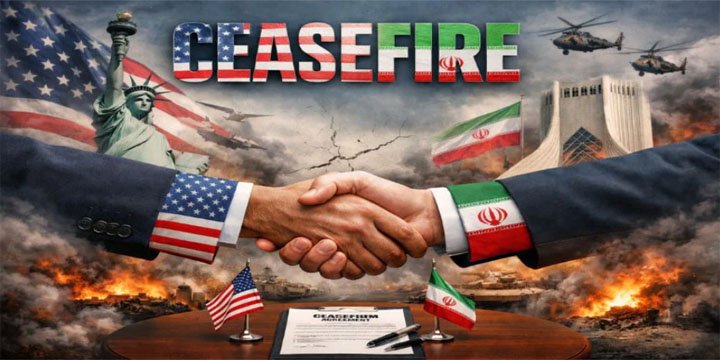
US IRAN 14 DAY CEASEFIRE
Why in News?
- On (7 April), just two hours before a final US deadline to “destroy” Iranian infrastructure, President Donald Trump announced a 14-day ceasefire mediated by Pakistan.
- This pause follows over a month of “unprecedented” airstrikes and the blockade of the world’s most critical oil route.
- The United States had warned that it would destroy Iran’s energy and economic infrastructure if Iran did not agree to its demands.
- This ceasefire came after more than 39–40 days of continuous conflict, which included heavy airstrikes, missile attacks, and drone warfare.
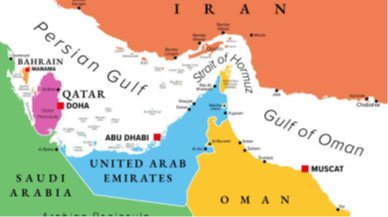
- During the conflict, Iran disrupted the Strait of Hormuz, which is one of the most important global oil routes.
Therefore, the ceasefire is important because it prevented a major regional war and possible global economic crisis.
BACKGROUND
Beginning of War
- The conflict started on 28 February 2026.
- The United States and Israel launched coordinated strikes on Iran.
- These strikes targeted:
- Nuclear facilities
- Ballistic missile systems
- Industrial infrastructure (steel plants, power plants)
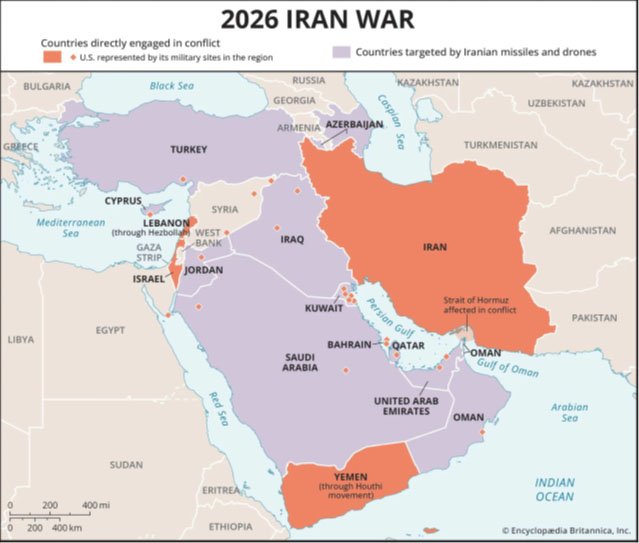
IRAN’S RESPONSE
- Iran responded with missiles and drones.
- It targeted:
- US military bases in the Gulf region
- Oil installations in Saudi Arabia, UAE, and Qatar
- Economic infrastructure such as ports and airports
EXPANSION OF CONFLICT
- The conflict spread to:
- Lebanon (through Hezbollah)
- Gulf countries hosting US bases
- This made the war a regional conflict, not just a US–Iran issue.
KEY TERMS: WHAT WAS AGREED?
Immediate Actions under Ceasefire
🔹 Ceasefire Duration
- Both sides agreed to a 14-day pause in fighting.
- During this period:
- The United States will stop bombing Iran
- Iran will halt military responses
This period is meant to create space for diplomacy.
🔹 Reopening of Strait of Hormuz
- Iran agreed to ensure:
- Complete, immediate, and safe reopening of the Strait of Hormuz
- Importance:
- Around 20% of global oil supply passes through this route
- Disruption earlier caused rise in global oil prices
This was the main demand of the United States.
🔹 Negotiation Venue
- Both countries agreed to begin direct talks in:
- Islamabad, Pakistan
- Date: 10 April 2026
These talks are seen as Phase 2 of diplomacy
Iran’s 10-Point Proposal (Foundation of Talks)
- The United States described Iran’s proposal as a “workable basis” for negotiation.
Detailed Demands
- Non-Aggression Commitment
- The United States must guarantee that it will not attack Iran or its allies in future
- Removal of Sanctions
- Iran demands removal of:
- Primary sanctions (direct US restrictions)
- Secondary sanctions (restrictions on other countries trading with Iran)
- Iran demands removal of:
- Recognition of Nuclear Rights
- Iran wants acceptance of its right to uranium enrichment.
- Withdrawal of US Troops
- All US combat forces must leave the Middle East region
- Compensation for War Damage
-
- Iran demands financial compensation for:
- Infrastructure damage
- Economic losses
- Iran demands financial compensation for:
-
- Release of Frozen Assets
- Billions of dollars of Iranian funds held abroad must be unfrozen
- End of UN and IAEA Restrictions
- Removal of:
- UN Security Council resolutions
- IAEA monitoring restrictions
- Removal of:
- Binding Legal Agreement
- Final deal must be legally binding under the United Nations system
These demands are called maximalist demands because they are very broad and difficult to fully accept
THE LEBANON LOOPHOLE
🔹 Different Interpretations
- Pakistan’s Position:
- Ceasefire applies to all fronts including Lebanon
- US and Israel’s Position:
- Ceasefire applies only to Iran
- Lebanon conflict is separate
- Donald Trump called it a “separate skirmish”
🔹 Ground Situation
- Attacks on Iran have stopped
- However, Israel continues airstrikes in Lebanon, especially:
- Beirut
- Tyre
🔹 Why it is Dangerous
- Iran supports groups like Hezbollah
- If attacks continue:
- Hezbollah may retaliate
- Iran may re-enter conflict
This can break the ceasefire completely
WHY DID BOTH SIDES AGREE?
United States Motivation
- Economic Pressure
- Rising oil prices
- Disruption of global supply chains
- Strategic Calculation
- US believes it has weakened Iran’s:
- Nuclear infrastructure
- Missile systems
- US believes it has weakened Iran’s:
- Political Benefit
- The leadership can claim that it:
- Prevented a large-scale war
- Controlled escalation
- The leadership can claim that it:
Iran’s Motivation
- Economic Survival
- Heavy damage to:
- Power plants
- Industrial facilities
- Bridges and transport systems
- Heavy damage to:
- Strong Bargaining Position
- Iran controlled the Strait of Hormuz
- It showed it could impact global oil supply
- Regime Security
- Ceasefire prevents:
- Full US invasion
- Massive destruction
- Ceasefire prevents:
GLOBAL IMPACT OF THE CONFLICT
- Human Cost
- More than 3000 deaths across regions
- Economic Impact
- Increase in global oil prices
- Disruption in international trade routes
- Infrastructure Damage
- Oil refineries
- Airports
- Ports
- Desalination plants
IMPACT ON INDIA
- Energy Security
- India imports about 60% of its oil from Gulf countries
- Disruption in Hormuz created serious economic risk
- Indian Diaspora
- Around 1 crore Indians live in the Gulf region
- They contribute about 40% of India’s remittances
- Evacuation and Loss
- Around 7 lakh Indians returned to India
- 8 Indian citizens lost their lives
- Trade Impact
- Very limited movement of ships during conflict
- After Ceasefire
- Oil supply is expected to stabilize
- Trade routes may reopen
India supported the ceasefire and emphasized freedom of navigation
WHAT HAPPENS NEXT?
- 10 April 2026
- US and Iran will begin direct negotiations in Islamabad
Main Issue: Nuclear Program
- The United States wants:
- Iran to stop uranium enrichment
- Iran wants:
- Recognition of its nuclear rights
This is the core dispute
🔹 Regional Risk
- Continued conflict in Lebanon
- Possibility of:
- Proxy attacks
- Retaliation by Iran’s allies
Situation remains unstable
CONCLUSION
- The ceasefire is a temporary and fragile arrangement
- Major issues are still unresolved:
- Iran’s nuclear program
- Regional conflicts like Lebanon
- The success of this ceasefire depends on:
- Outcome of negotiations in Islamabad
Note: Connect with Vajirao & Reddy Institute to keep yourself updated with latest UPSC Current Affairs in English.
Note: We upload Current Affairs Except Sunday.