
USA IRAN CEASEFIRE: WHY NEXT 60 DAYS ARE CRUCIAL?
Why in News?
- On 15 June 2026, the United States and Iran agreed on a framework for a peace deal extending the current ceasefire by 60 days.
- US President Donald Trump announced the removal of the US naval blockade on Iranian ports.
- Iran confirmed that a Memorandum of Understanding (MoU) had been reached.
KEY FOCUS AREAS
- The agreement focuses on:
- Reopening of the Strait of Hormuz.
- Economic relief for Iran.
- Release of frozen assets.
- Future nuclear negotiations.
- Regional de-escalation.
KEY PROVISIONS OF MoU
Security and Military Measures
Ceasefire Arrangement
- Existing ceasefire extended for 60 days.
- Hostilities to cease across all fronts.
- Both sides committed to reducing military escalation.
US Commitments
- Remove naval blockade of Iranian ports.
- Avoid imposing new sanctions during negotiations.
- Withdraw forces from certain areas surrounding Iran.
Iranian Commitments
- Maintain ceasefire.
- Refrain from escalation.
- Continue diplomatic negotiations.
Strait of Hormuz Reopening
What Has Been Agreed?
- Iran will reopen the Strait of Hormuz for commercial shipping.
- The US will ease restrictions affecting maritime trade.
Why is it Important?
The Strait of Hormuz:
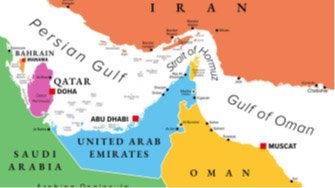
- Connects the Persian Gulf with the Gulf of Oman.
- Carries nearly 20% of global oil trade.
- Is one of the world’s most important maritime chokepoints.
Significance
- Stabilises global energy markets.
- Reduces risks to international shipping.
- Improves energy security.
Economic Relief Measures
Release of Frozen Assets
- Around $24 billion of Iranian assets may be released.
Sanctions Relief
- Temporary waiver of oil sanctions.
- No additional sanctions during negotiations.
Reconstruction Package
- Proposed $300 billion reconstruction and development plan.
- Intended to support economic recovery and infrastructure rebuilding.
Nuclear Question Deferred
What Has Been Decided?
Instead of resolving the nuclear issue immediately:
- Both sides agreed to maintain the status quo.
- Comprehensive nuclear negotiations will continue during the next 60 days.
Iran’s Interim Commitments
Iran agreed to:
- Not acquire nuclear weapons.
- Maintain current nuclear activities.
- Avoid further uranium enrichment.
Why Was the Nuclear Issue Deferred?
US Concerns
The US seeks:
- Restrictions on uranium enrichment.
- Strong verification mechanisms.
- Long-term limits on Iran’s nuclear programme.
Iranian Demands
Iran seeks:
- Sanctions relief.
- Security guarantees.
- Recognition of its nuclear rights.
Result
- Neither side was ready for a final compromise.
- Therefore, the issue was postponed for future negotiations.
HOW HAS IRAN’S BARGAINING POSITION IMPROVED?
Traditional US Leverage
Before the conflict, the US relied mainly on:
Economic Sanctions
- Restricted Iran’s access to global markets.
- Limited trade and investment.
Military Pressure
- Superior military capabilities.
- Damage to nuclear facilities at Natanz, Isfahan and Fordow.
IRAN’S NEW SOURCES OF LEVERAGE
Control of the Strait of Hormuz
- Ability to affect global oil supplies.
- Influence over international shipping routes.
Missile and Drone Capabilities
- Ability to target regional military infrastructure.
- Ability to threaten energy facilities.
Regional Influence
- Continued influence through allied groups and networks.
Impact
These factors strengthened Iran’s negotiating position and reduced the effectiveness of traditional US pressure.
WHAT TRIGGERED THE MOU?
Israeli Strike on Beirut
- Israeli forces carried out an attack on Beirut.
- Iran prepared retaliatory action.
- Risk of wider regional escalation increased.
US Response
- President Trump criticised the strike.
- The US accelerated negotiations.
- Naval blockade removal was announced.
Outcome
- The crisis ultimately pushed both sides towards finalising the MoU.
WHY ARE THE NEXT 60 DAYS IMPORTANT?
The implementation period is considered the real test of the agreement.
Key Issues to Watch
1. US Ability to Restrain Israel
- Any new military escalation may derail negotiations.
2. Removal of Naval Blockade
- Iran considers this a critical test of US commitment.
3. Release of Frozen Assets
- Timely release will build confidence.
4. US Military Withdrawal
Questions remain regarding:
- Scope of withdrawal.
- Verification process.
5. Progress Towards Nuclear Agreement
- Success depends on whether both sides can move from temporary arrangements to a final settlement.
DEBATE WITHIN IRAN
Concerns of Hardliners
Many hardline groups argue that:
- Iran gained significant leverage during the conflict.
- Reopening Hormuz weakens that leverage.
- Stronger guarantees should be obtained before concessions.
Hormuz as a Strategic Asset
For many in Iran:
- Control over Hormuz has become a major geopolitical advantage.
- Any concession on shipping rights is viewed with caution.
WHY IS IRAN SUPPORTING THE DEAL?
Economic Relief
- Access to frozen assets.
- Potential sanctions relief.
- Reconstruction assistance.
Better Negotiating Position
- Tehran believes its bargaining position is stronger than before the conflict.
Retention of Military Capabilities
The agreement does not restrict:
- Missile programme.
- Drone programme.
- Conventional deterrence capabilities.
SIGNIFICANCE OF THE AGREEMENT
Regional Stability
- Reduces the risk of a wider conflict.
Energy Security
- Helps stabilise oil markets.
- Secures maritime trade routes.
Economic Recovery
- Supports Iran’s economic revival.
Nuclear Diplomacy
- Creates a pathway towards a comprehensive nuclear agreement.
IMPLICATIONS FOR INDIA
Energy Security
- India depends heavily on Gulf oil imports.
- Stability in Hormuz is vital for energy supplies.
Maritime Trade
- Safer shipping routes reduce trade disruptions.
Strategic Connectivity
- Stability supports India’s interests in Chabahar Port and connectivity to Central Asia.
CHALLENGES AHEAD
- Deep trust deficit between the US and Iran.
- Unresolved nuclear issues.
- Possibility of renewed regional tensions.
- Domestic opposition in both countries.
- Verification and implementation challenges.
WAY FORWARD
- Ensure strict ceasefire compliance.
- Implement economic commitments on time.
- Advance nuclear negotiations.
- Maintain maritime security in Hormuz.
- Build confidence through transparent verification mechanisms.
Note: Connect with Vajirao & Reddy Institute to keep yourself updated with latest UPSC Current Affairs in English.
Note: We upload Current Affairs Except Sunday.